Get Marketing Insights First
Subscribe to receive actionable strategies, growth tips, and industry insights delivered straight to your inbox.

Is 3D printer plastic recyclable? Short answer: yes for thermoplastics like PLA, PETG and ABS — but almost never through your curbside bin. After eight years of printing and two broken DIY extruders, I usually give a split answer: the chemistry says yes, the infrastructure mostly says no. Understanding what counts as recyclable 3D printer plastic means separating what is technically possible from what is actually available where you live. Resin printing is a separate conversation.
FDM filament is a thermoplastic: heat it, and the polymer chains slide past each other instead of chemically locking. That reversibility is the whole reason a failed benchy can theoretically become a new benchy. Push a strand of PLA above roughly 170°C and it flows; cool it and it stiffens again with no permanent cross-linking. Compare that with SLA resin, where UV light builds irreversible covalent bonds, and you see why the two materials land in completely different waste streams.
There are limits hiding in that neat story. Every thermal cycle shortens the polymer chains slightly — chain scission — so filament extruded from old prints tends to print a bit more brittle and a touch less glossy. In practice, reliable recycled blends mix roughly 20 to 40 percent regrind with virgin pellets rather than running 100 percent reclaimed material. Print farms tracking batches closely report steadier results than hobbyists tossing random scraps into a hopper.
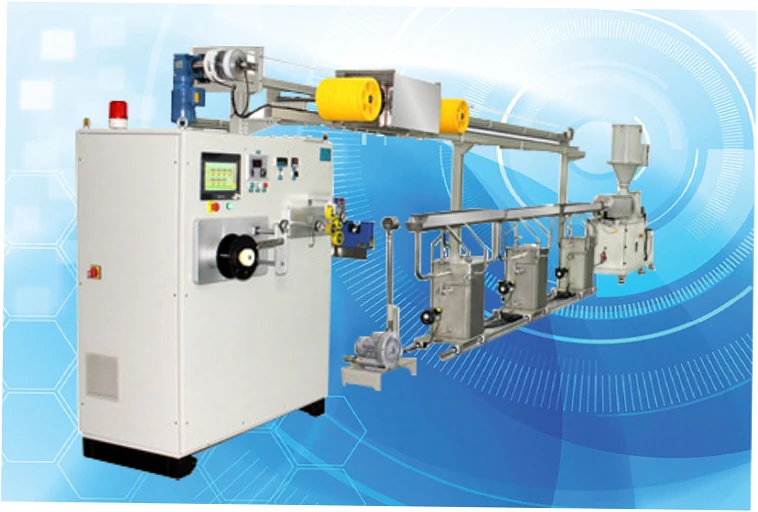
Mechanical recycling follows four steps: sort, shred, dry, extrude. Sorting matters most, because one PETG part in a PLA batch changes the melt behavior of the entire run. After shredding into 3–5 mm flakes, the material is dried (40–50°C is typical for PLA) to drive off moisture that would otherwise create steam bubbles and weak layer bonding. A single-screw extruder then pushes melt through a die, and a puller spools new filament toward a 1.75 mm target.
Chemical recycling works differently and mostly lives in pilot plants. Instead of remelting, it breaks polymers back into monomers or oils through glycolysis, hydrolysis or pyrolysis, then rebuilds new plastic. That route tolerates mixed, contaminated feedstock far better, which is why it attracts investment, but it needs scale no desktop setup can reach. For a home printer, mechanical grinding remains the only realistic option today.
| Material | Typical resin code | Curbside accepted? | Home re-extrusion | Key limitation |
|---|---|---|---|---|
| PLA | 7 (other) | Rarely | Yes | Brittle after repeated cycles |
| PETG | 7 (other) | Rarely | Yes | Confuses PET sorting streams |
| ABS | 7 (other, ABS) | Rarely | Yes | Fumes during re-extrusion |
| TPU | 7 (other) | No | Difficult | Gums up shredders |
| Nylon (PA) | 7 (other) | No | Possible | Absorbs moisture fast |
| SLA resin | None (thermoset) | No | No | Cannot be remelted |
| Support material (PVA, HIPS) | 7 (other) | No | Depends | Contaminates mixed batches |
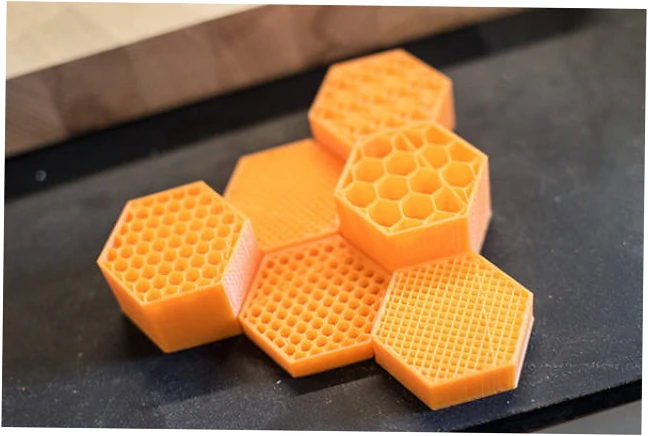
PLA dominates desktop printing and gets the most attention across the wider field of plastic and polymer 3D printing, yet it is also the material most likely to end up in general trash. Why? Because it is cheap, and the effort of collecting, sorting and grinding it rarely feels worth it for a handful of failed brackets. PETG can ride along in some industrial PET streams, while ABS benefits from decades of established injection-molding recycling infrastructure.
TPU is the awkward one. Flexible filament gums up shredders, feeds unevenly and demands tight temperature control, so most community programs simply refuse it. Nylon is technically recyclable but hygroscopic enough to require serious drying before every extrusion run. A practical ranking for hobbyists runs PLA first, PETG second, ABS third, everything else a distant fourth — not because chemistry forbids it, but because handling hassle grows faster than recovered value.
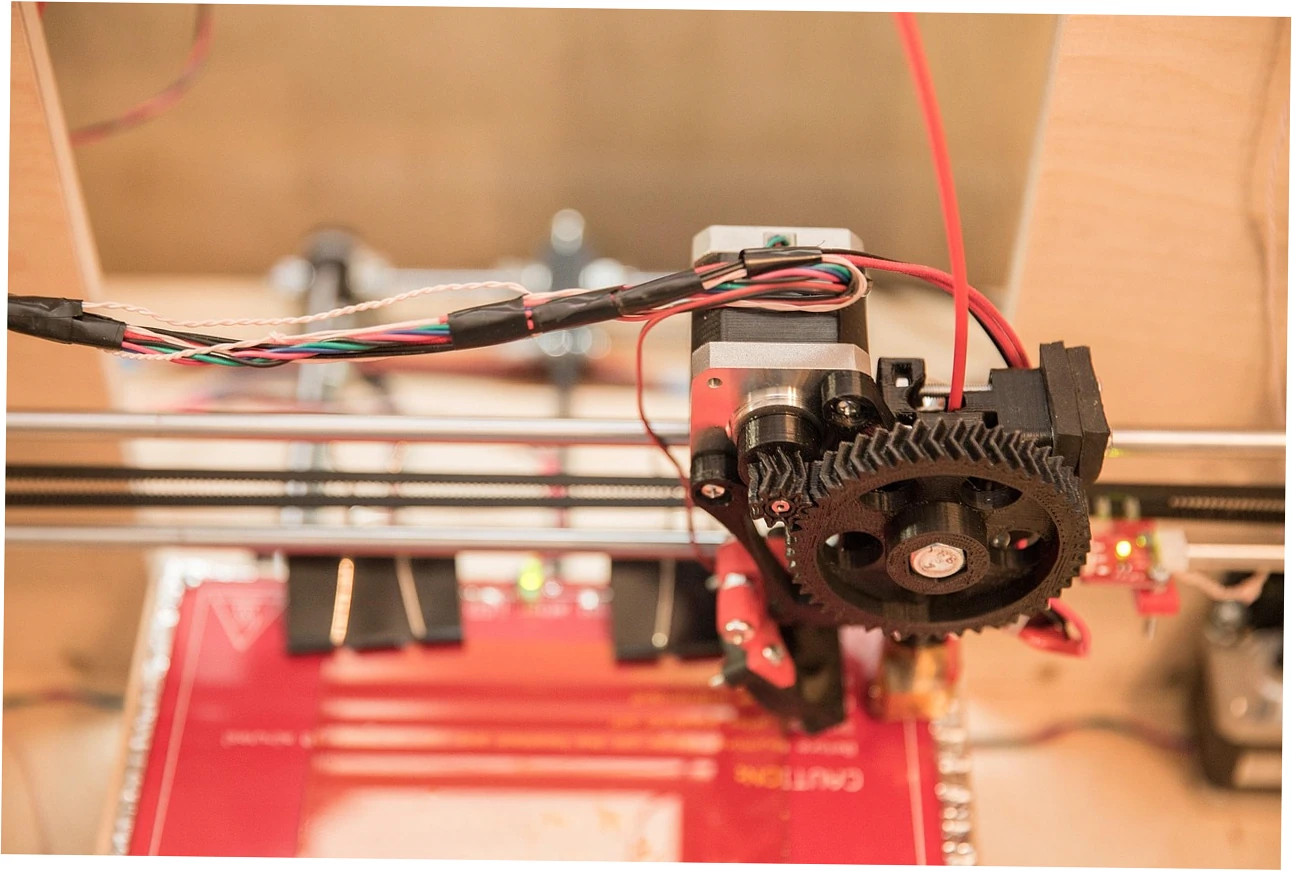
Curbside systems sort by resin code and shape, which is exactly why a printed phone stand confuses them. Optical sorters recognize bottles, tubs and jugs; a flat, dark, oddly shaped 3D print usually gets flagged as residue and sent to landfill. Local rules vary enormously, and the honest advice is to phone your municipal waste authority rather than trust a blog post, including this one. Some regions now run extended producer responsibility schemes, but filament spools are rarely covered.

Start with discipline. Keep labeled bins for PLA, PETG and ABS, and never mix them, because cross-contamination is the number one reason home batches fail. Remove supports, rafts, glue residue and any embedded magnets or threaded inserts before shredding. A cheap kitchen scale helps you track accumulated material; most desktop extruders want at least 500 grams of consistent feedstock to run a stable spool without constant babysitting and hand-holding.
Shredding is where most people quit. Budget paper shredders jam instantly, so hobbyists either buy a dedicated granulator or borrow time on a makerspace machine. Flake size consistency matters more than raw speed. If flakes range from dust to chunks, the extruder feeds unevenly, filament diameter drifts, the printer jams, and you generate yet more waste — a frustrating loop that convinces people recycling simply does not work.
Drying is the step everyone skips and later regrets. Moisture turns to steam inside the barrel, producing bubbles, popping sounds and poor layer adhesion. Dry PLA flakes at around 45°C for four hours; PETG prefers slightly warmer air. Then extrude slowly, monitor diameter with a laser gauge if you own one, and accept that the first few meters become scrap while you dial in temperature and puller speed. Even post-processing like smoothing 3D printed plastic changes what you can later reclaim.
Landfill volume is not the real problem; fragmentation is. Conventional plastics persist as microplastics for decades, while PLA under industrial composting conditions — sustained heat near 58°C plus specific microbial activity — breaks down far faster. In a landfill or the open ocean, though, PLA behaves much more like ordinary plastic than marketing implies, because those conditions simply do not exist there. Biodegradable in a controlled facility is not the same claim as biodegradable in your backyard.
Additives complicate everything. Colorants, flame retardants, glass fibers, carbon black and impact modifiers all shift melt behavior and can release fumes during re-extrusion. Carbon-fiber nylon is the classic example: fibers wear out nozzles and shredder blades, and the composite cannot be cleanly separated back into polymer and reinforcement. Any blanket claim that all 3D printer plastic is recyclable quietly ignores these blended materials and their real handling constraints.
The most common failure mode is invisible contamination — a stray piece of PETG, dried glue stick, or workshop floor dust. The batch still prints, but the filament snaps at the spool or delaminates between layers. Print farms handle this with batch logs and acceptance testing on every spool; hobbyists usually discover the problem three hours into a print they now have to bin. Sorting discipline is boring, unglamorous and by far the highest-leverage habit you can build.
| Common claim | Official position | Operator experience | Practical takeaway |
|---|---|---|---|
| PLA is recyclable | Technically true; industrially compostable to EN 13432 | Municipal collection rarely accepts it | Home grinding is the realistic path |
| Filament is easily sorted | Resin codes exist for most polymers | Flat, dark prints defeat optical sorters | Label and separate by polymer |
| Home recycling pays off | Vendors market desktop extruders | Hobbyist ROI is poor; farms recover value | Do it to cut waste, not to profit |
| PLA biodegrades anywhere | Degrades in industrial composting | Backyard and landfill timelines stay long | Do not compost PLA at home |
| Mixed scrap is fine | Some facilities tolerate blends | Cross-contamination ruins whole batches | Sort obsessively, dry thoroughly |
| Take-back exists everywhere | Growing in parts of the UK and EU | Coverage is patchy and local | Ask your nearest centre directly |
Run the numbers before buying anything. A desktop filament extruder costs roughly several hundred to a few thousand dollars, while a good spool of PLA runs about twenty. That means a hobbyist printing two kilograms a year will never break even on equipment alone. A small print farm generating ten kilograms of waste monthly faces a different equation, because disposal fees, spool purchases and downtime all scale with volume.
Labor is the hidden cost nobody budgets for. Sorting, drying, extruding and quality-checking recycled filament consumes real hours, and those hours must come from somewhere. Where the math does work, it usually works for one polymer, one color, feeding one machine — narrow and boring, but reliable. Widen the mix and you reintroduce exactly the variability that makes recycled filament frustrating.
Community recycling centres and makerspaces are filling the gap. Some UK centres now accept any FDM thermoplastic scrap, grind it on site, and resell simple printed goods to fund the operation, with thermosets and resin explicitly excluded. That model works because it pools volume and shares expensive equipment. If nothing exists locally, the realistic alternative is designing with less waste: right-sized spools, sparing purge towers, and offcuts saved for test prints.
Start small and prove the loop before spending money. Collect three months of failed prints in a single labeled bin, weigh it, and ask honestly whether that volume justifies equipment. If it does, borrow a granulator or book makerspace time before buying your own machine. If it does not, the highest-value move is reducing waste at the design stage — thicker walls, fewer supports, and a properly calibrated first layer.
Whichever path you choose, treat recycled filament as a different material with its own temperature window and drying schedule, not a free substitute for virgin pellets. Test it on brackets and jigs before trusting it on a client part. People who get good results logged batches, measured diameters and accepted that some runs simply fail. One caveat worth stating plainly: recycling statistics remain patchy, and local coverage changes faster than published guidance does.
Almost certainly not. Sorting facilities identify recyclables by shape and resin code, and a flat, dark, irregularly shaped print reads as residue to optical sorters. Even where rigid plastics are accepted, mixed #7 items are frequently pulled out. Call your local waste authority with a photo of the item before you assume anything — the answer varies street by street.
Usually no, or at least not on any timeline you would call practical. PLA needs sustained heat around 55–60°C plus active microbial conditions to break down at a meaningful rate, which home compost rarely sustains. Industrial composting facilities reach those conditions; a garden heap in a cool climate typically does not. Treat backyard PLA composting as a nice idea rather than a working waste solution.
Close, but rarely identical. Repeated extrusion shortens polymer chains, so regrind blends tend to be slightly more brittle, a little less glossy, and more sensitive to moisture. Blending 20–40 percent recycled material with virgin pellets narrows the gap considerably. Expect to re-tune temperatures and flow rates, and always dry the spool before a long print.
No, not mechanically. SLA and DLP resins are thermosets: UV light creates irreversible cross-links, so reheating does not restore a workable melt. Uncured liquid resin is also hazardous waste in many jurisdictions and should never go down a drain. Fully cured resin parts normally belong in general waste, and any liquid residue needs proper disposal through a licensed handler.
Realistically, several hundred dollars for a basic shredder and extruder, and well over a thousand for equipment that holds consistent diameter without constant attention. Add drying equipment, a laser diameter gauge, and your own time. Hobbyists rarely recover that spend in saved filament; print farms and makerspaces often do, because they already generate volume and have shared infrastructure.
PLA, then PETG. PLA grinds cleanly, extrudes at low temperatures and tolerates moderate moisture. PETG needs slightly higher extrusion temperatures and sticks aggressively to itself, which makes spooling trickier. ABS recycles well in industrial settings but releases fumes at home, so it needs ventilation. TPU and composites like carbon-fiber nylon are best avoided unless you enjoy replacing worn shredder blades.
Occasionally, and inconsistently. A few brands run spool return schemes, and some community recycling hubs accept any FDM thermoplastic for grinding. Coverage is genuinely patchy, so the reliable move is asking your nearest makerspace or waste centre directly. Manufacturers publicly tracking these programs are worth checking, but do not assume a take-back scheme exists just because it should.
For cross-checking the claims above, the OECD Global Plastics Outlook (2022) reports that under 10 percent of plastic waste has ever been recycled worldwide, and US EPA municipal waste data puts curbside plastic recycling in the mid single digits. Standards worth reading directly include EN 13432 for industrially compostable packaging and ISO 20200 for lab-scale disintegration testing. On the technology side, digital watermarking initiatives for sorting and EU packaging regulations are the trends most likely to change what your local facility accepts within the next few years.